#Project Overview
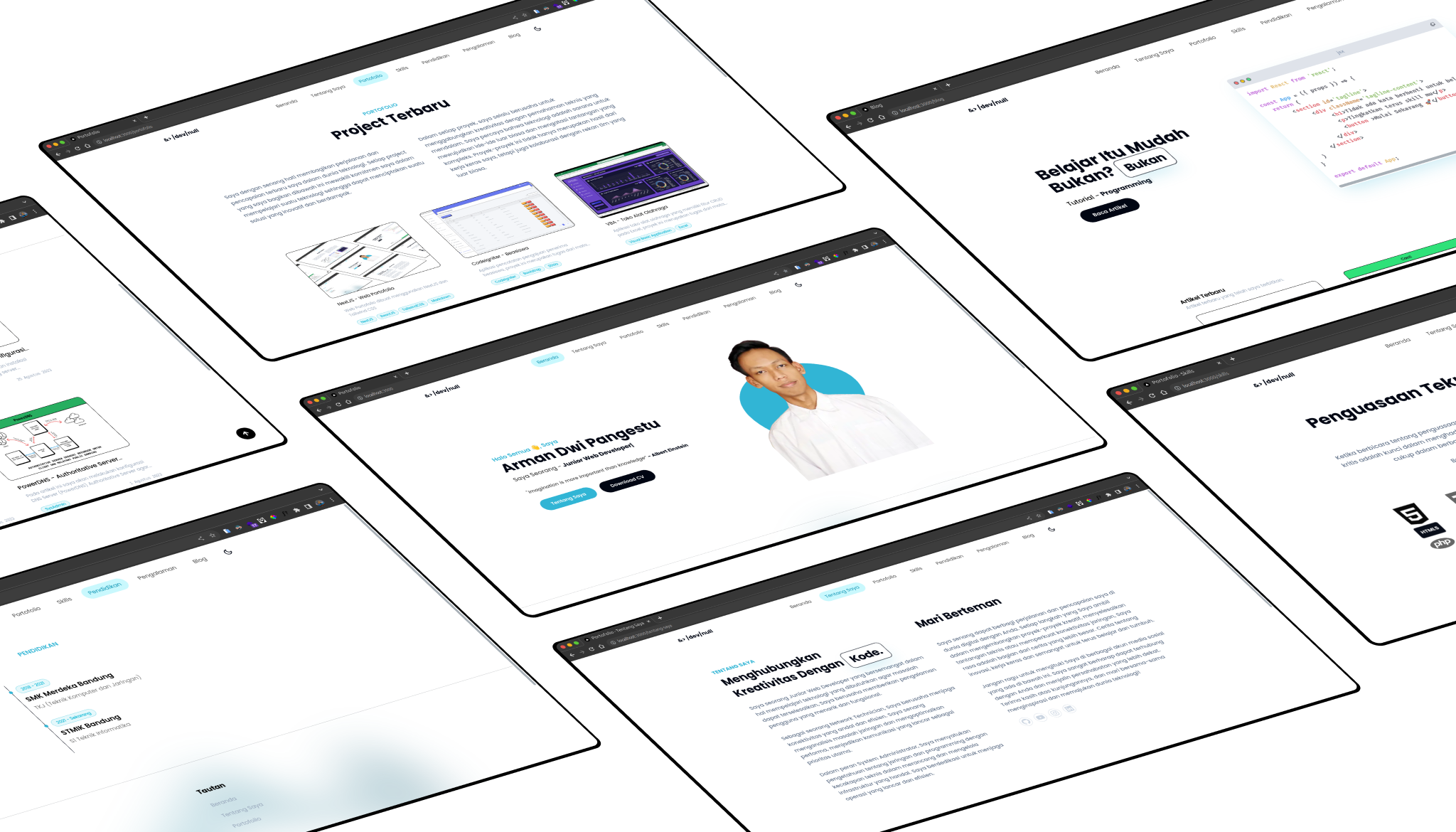
Portfolio Website V2 is the second version of my personal portfolio and blog website, built using Next.js, TailwindCSS, and Markdown. This project represents a major upgrade from Portfolio v1, both in terms of technology stack and development workflow.
In this version, my portfolio and blog began transitioning from a traditional web stack to a modern frontend stack, with a stronger focus on performance, deployment simplicity, and improved developer experience.
#Background & Motivation
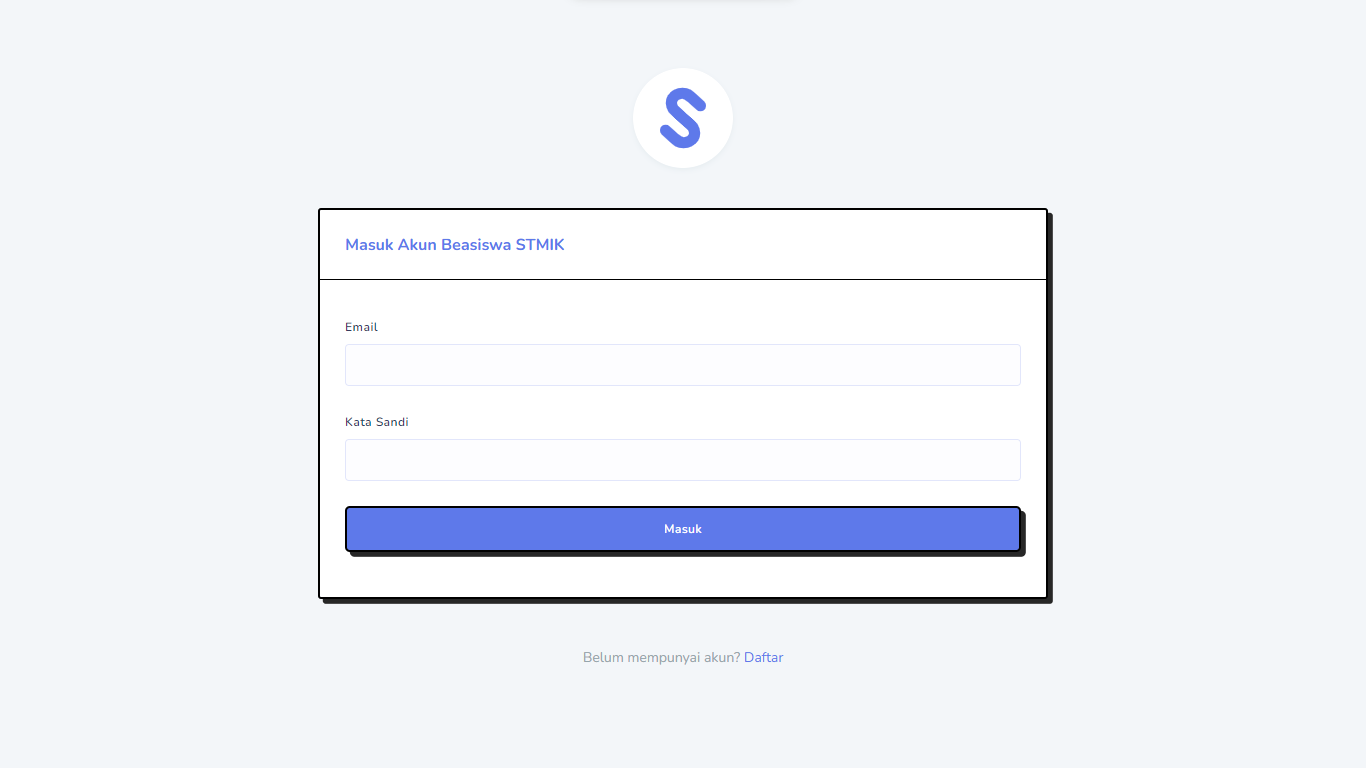
After building Portfolio v1 using vanilla PHP, MySQL, and Bootstrap, I started to recognize several limitations of that approach, especially for long-term maintenance and scalability.
At the same time, the modern frontend ecosystem was rapidly evolving, and I wanted to:
- Improve the technical quality of my portfolio
- Learn modern frameworks such as Next.js
- Reduce unnecessary backend complexity
- Adopt a more modern and scalable development workflow
These motivations led to the creation of Portfolio Website V2.
#Transition from V1 to V2
Portfolio v2 can be seen as an important transition phase from a legacy approach to a modern one.
Some key changes from v1 to v2 include:
-
Migration from PHP + MySQL to Next.js
-
Removal of the database for blog content
- In v1, Markdown content was stored in the database
- In v2, blog content is written directly as Markdown files
-
Migration from Bootstrap to TailwindCSS
-
Modern deployment using Vercel
These changes significantly simplified the architecture while improving flexibility and maintainability.
#Architecture & Technology
In this version, I began adopting a static-first and content-based architecture.
Core technologies used:
-
Next.js
- Modern routing system
- Static generation for blog pages
-
TailwindCSS
- Utility-first CSS approach
- Faster and more consistent styling
-
Markdown
- Used for writing blog content
- No database required
-
Vercel
- Automatic deployment
- Built-in performance optimizations
#Features & Workflow
Some notable features and improvements introduced in Portfolio v2 include:
-
Dark mode support
-
Markdown-based content integration
-
Analytics integrations:
- Umami
- Google Analytics
- PostHog
-
CI/CD pipeline using GitHub Actions
-
Semantic Release for version management
-
Containerization using Docker
From a workflow perspective, this version is significantly more modern compared to v1, especially in terms of deployment and automation.
#Limitations & Technical Notes
Despite being a major improvement over v1, Portfolio v2 still has several limitations, especially when viewed from today’s perspective:
-
UI design is still relatively simple and not fully polished
-
Code block features still rely on highlight.js
-
Lacks advanced features such as:
- Line highlighting
- Diff notation
- Advanced code grouping
-
-
The technical writing experience is not yet optimal
These limitations later became key learning points that directly influenced the development of Portfolio v3.
#What I Learned
Through the development of Portfolio Website V2, I gained valuable insights, including:
- Practical experience using Next.js
- Transitioning from backend-heavy architecture to content-based systems
- Applying TailwindCSS in a real-world project
- Modern deployment workflows with Vercel
- Implementing CI/CD and automation in personal projects
- The importance of tooling in developer experience
#Why This Project Matters
Portfolio Website V2 plays a crucial role as a bridge between early experimentation and a more mature implementation.
This project matters because it:
- Represents my first major step toward a modern tech stack
- Simplified architecture without sacrificing functionality
- Served as the technical foundation for Portfolio Website V3
- Demonstrates the evolution of how I design and build web applications
#Conclusion
Portfolio Website V2 represents a critical transition phase in my portfolio journey.
While the design and feature set were still relatively modest, this version successfully marked a shift from legacy approaches to modern web development practices. All the experiments, limitations, and lessons learned in v2 became the foundation for Portfolio Website V3, which delivers a far more refined design, architecture, and developer experience.
For implementation details and full source code, please refer directly to the project repository on GitHub.